作者:未知 发布时间:2021-08-23 18:17:25 来源:影像中国网 【专稿】 编辑:未知
【允许转载,转载时请标注来源和作者】
01
02
03
04
05
06
07


Remnants of a Dying culture
Batjargal Zayajargal
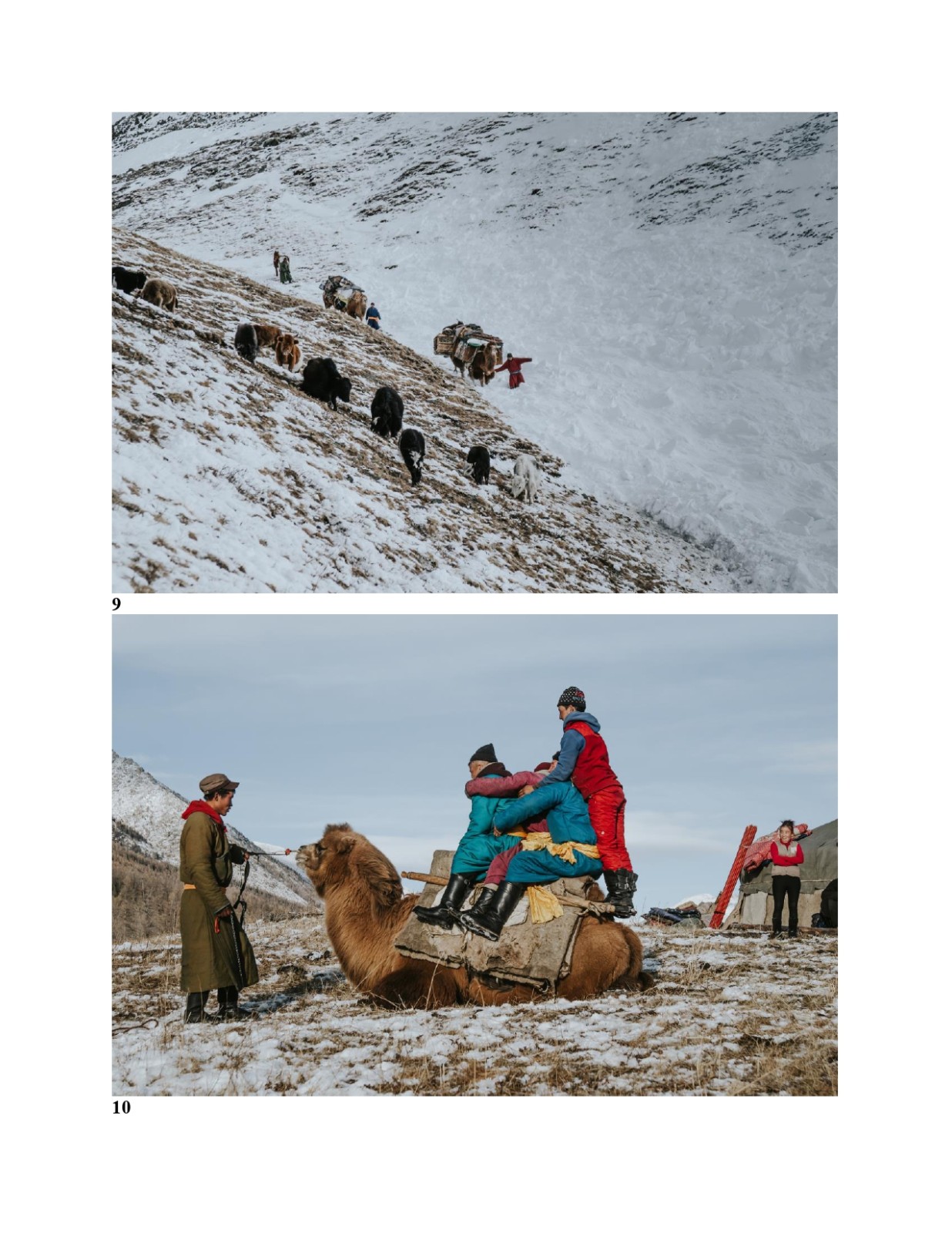
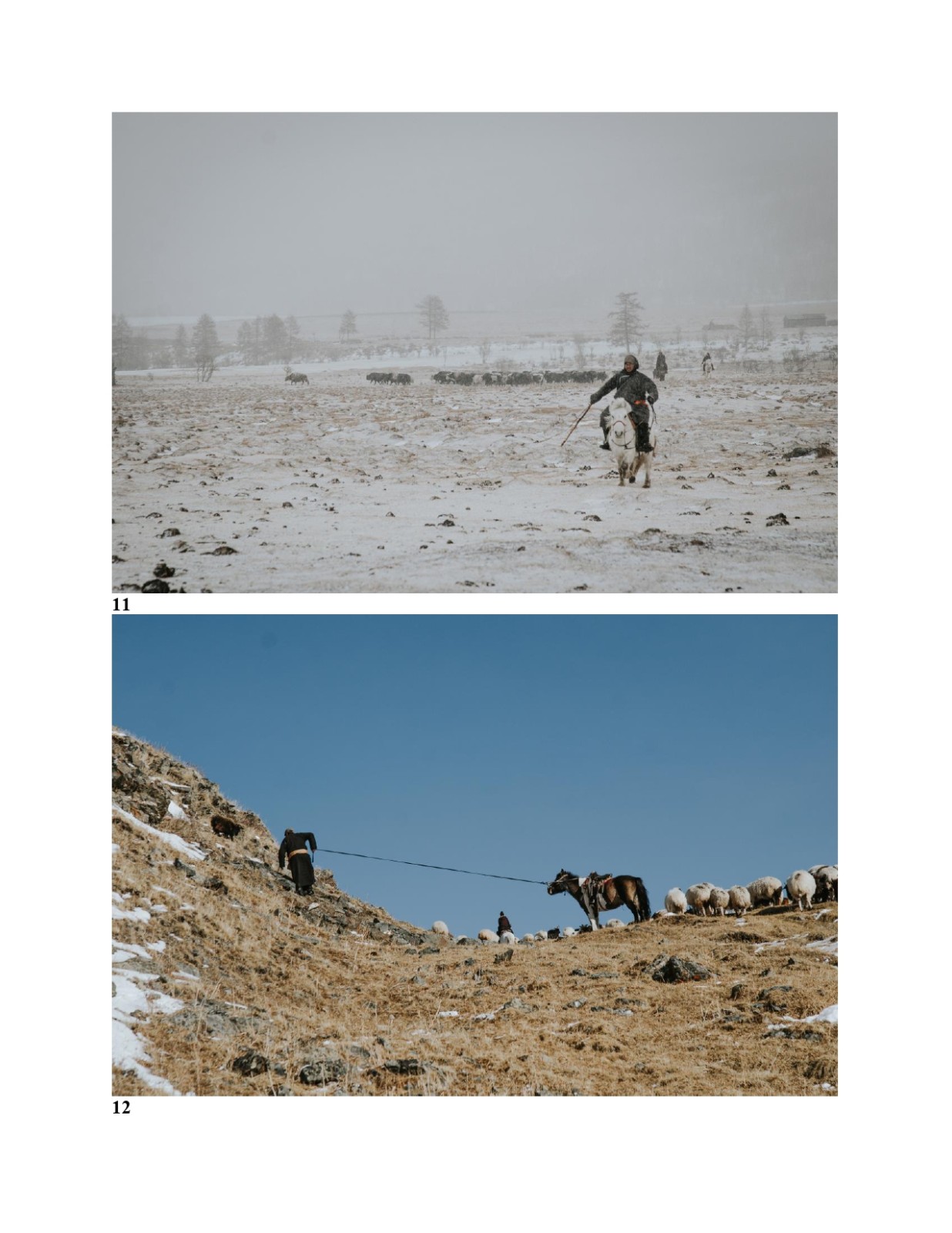
With the advancement of technology, nomadic culture, Mongolia's most precious heritage,has become a rarity in the twenty-first century. The majority of society started saying "Mongols WERE nomads" or using "WERE" to describe Mongolia nomadic culture an implication that the Mongolian traditional way of life is being left in the past. A direct sign of cultural extinction. However, the inhabitants one of the "Darkhad" soums(subprovinces) still migrate across the Mongol steppes of centuries-old, a true relic that is no longer common in Mongolia.
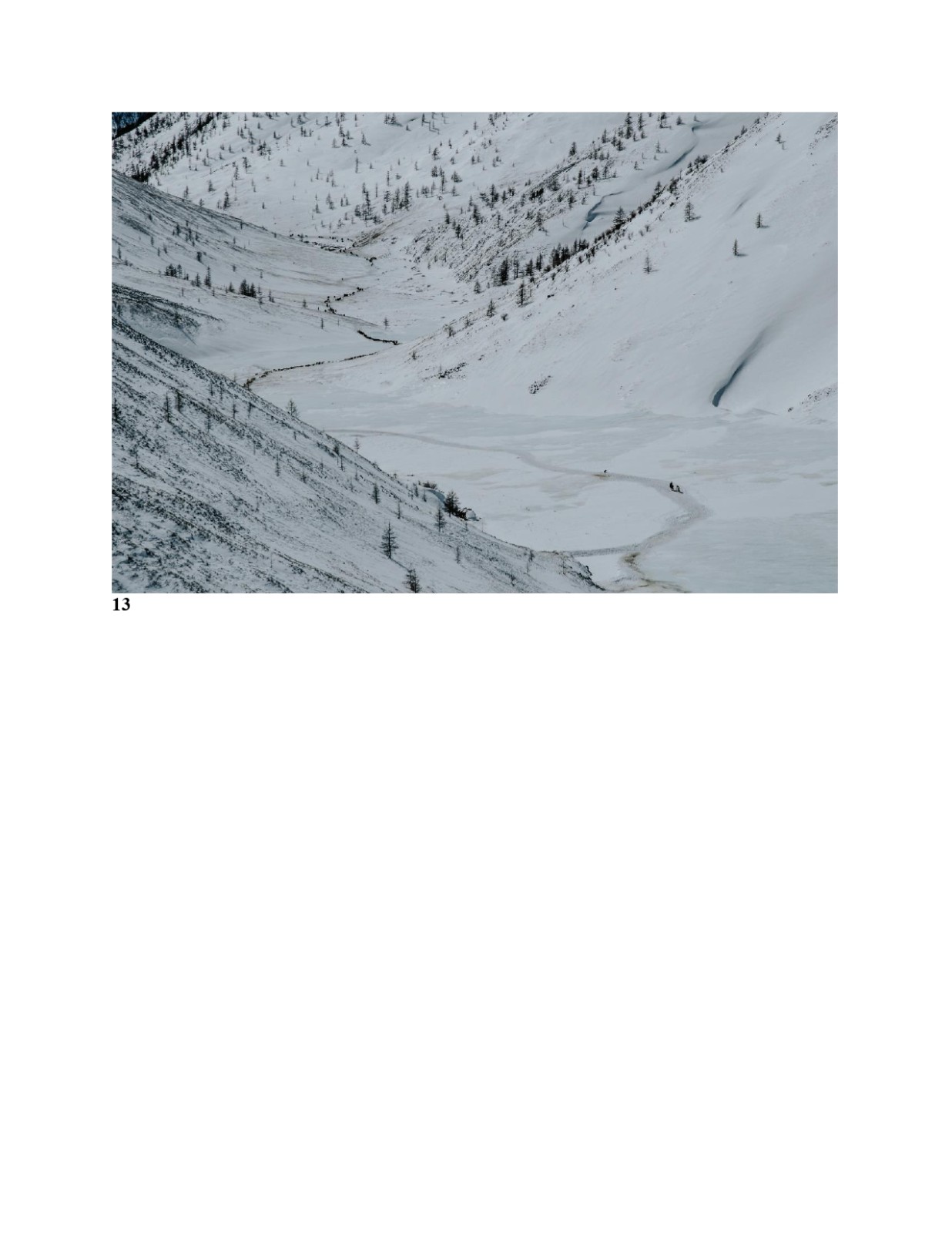
In the northern part of Mongolia, Shishged river basin in Renchilkhumbe soum(subprovince) of Khuvsgul province, is a suitable grazing ground in the spring,summer and autumn, but in the winter the basin receives 50-60 cm of thick snow in winter.
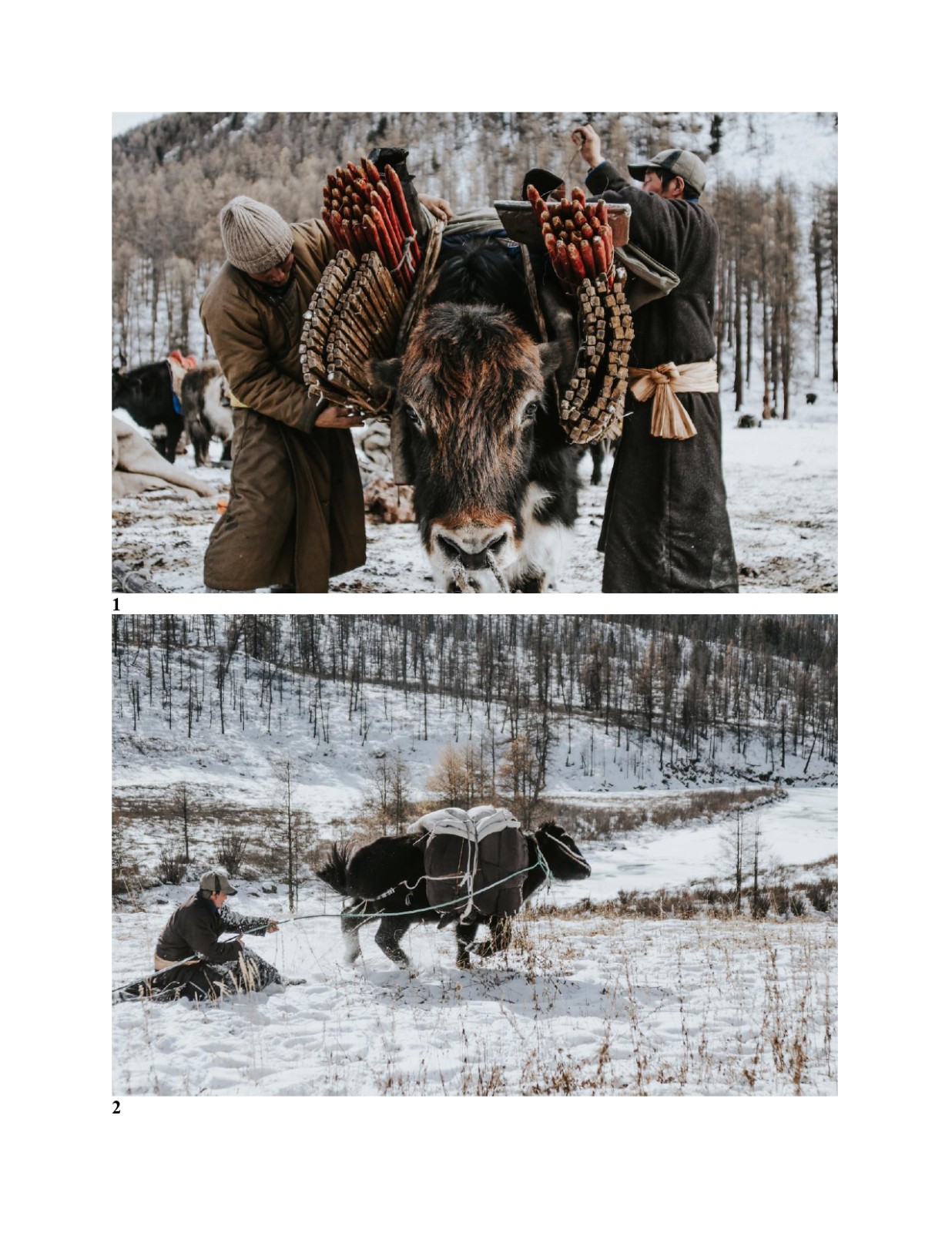
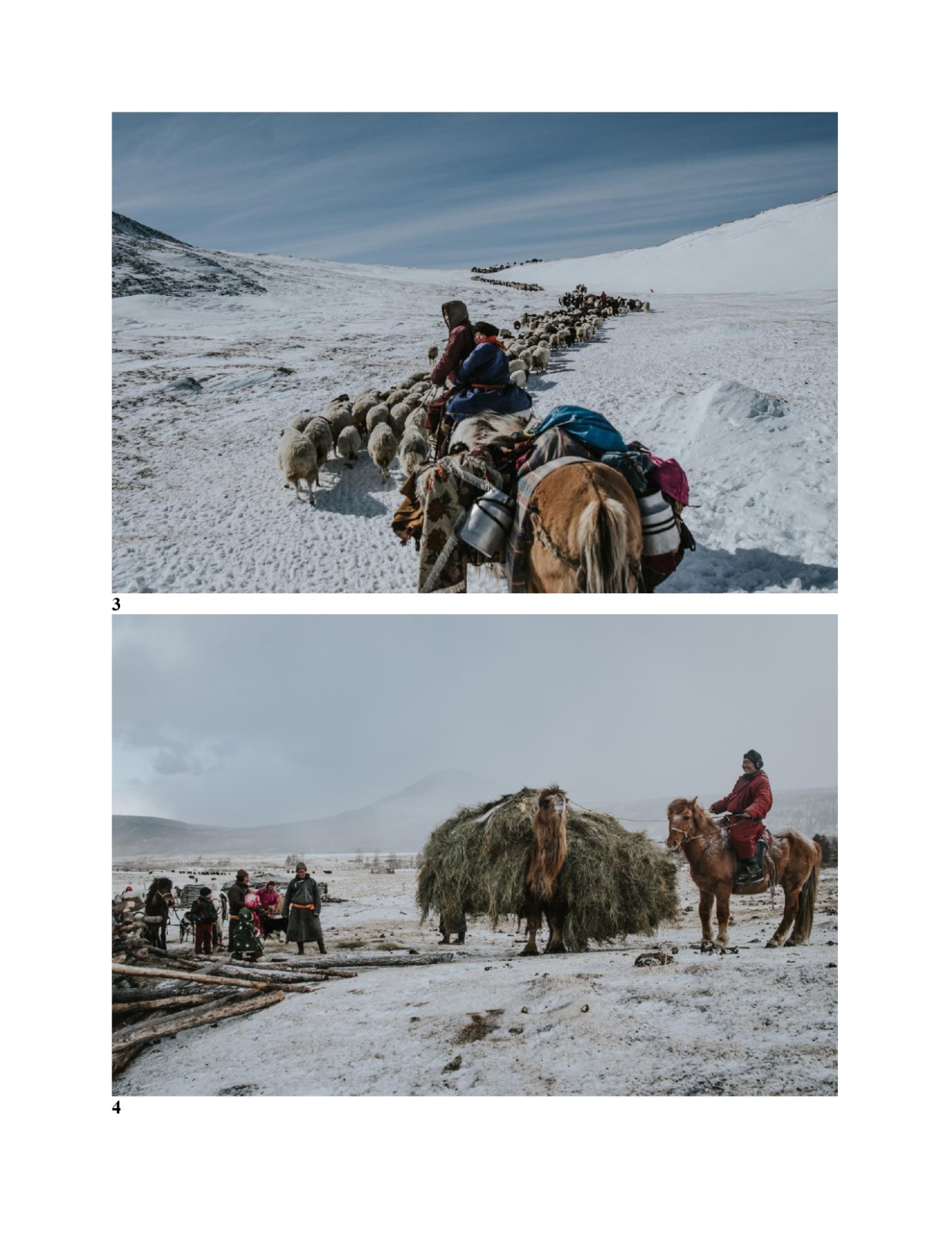
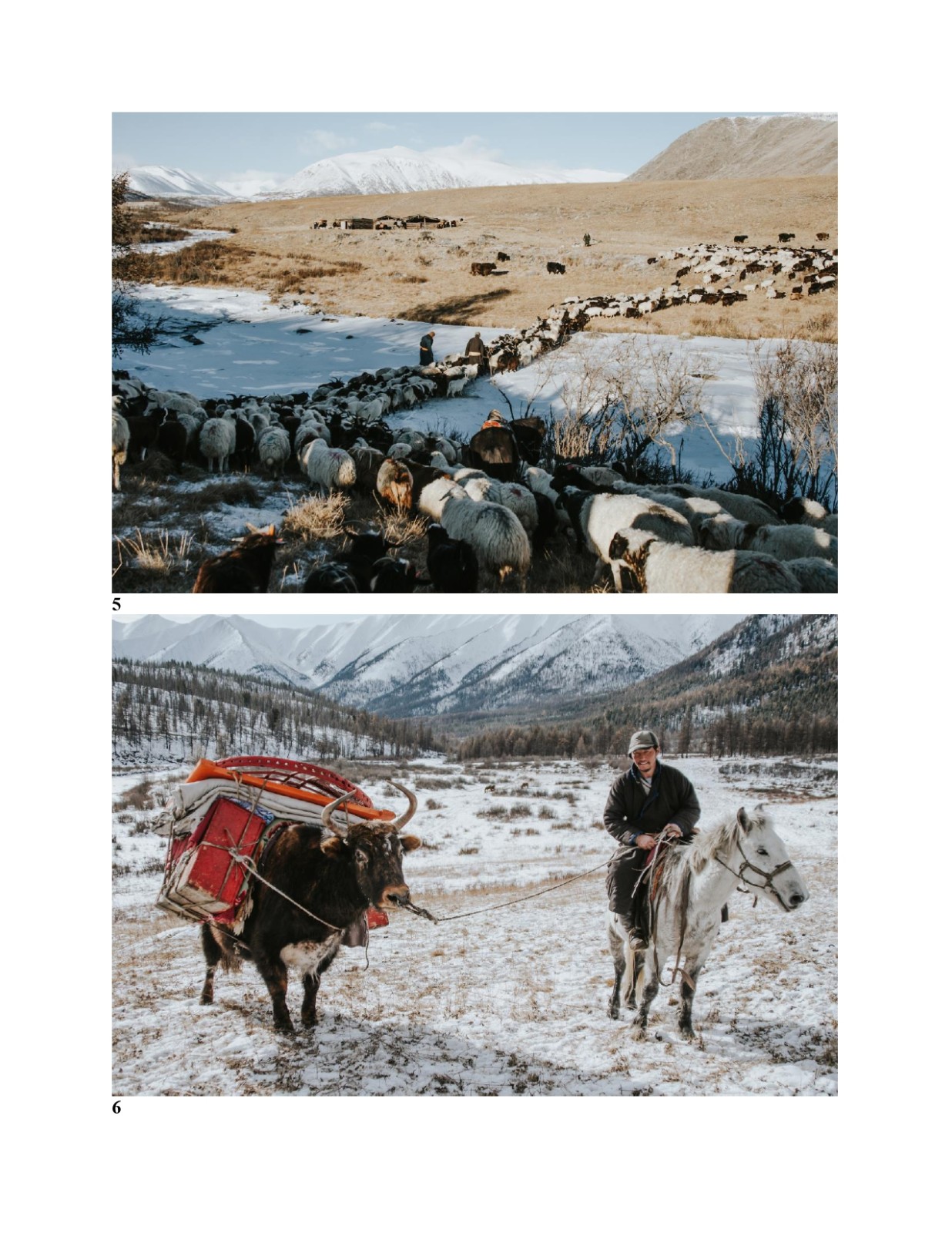
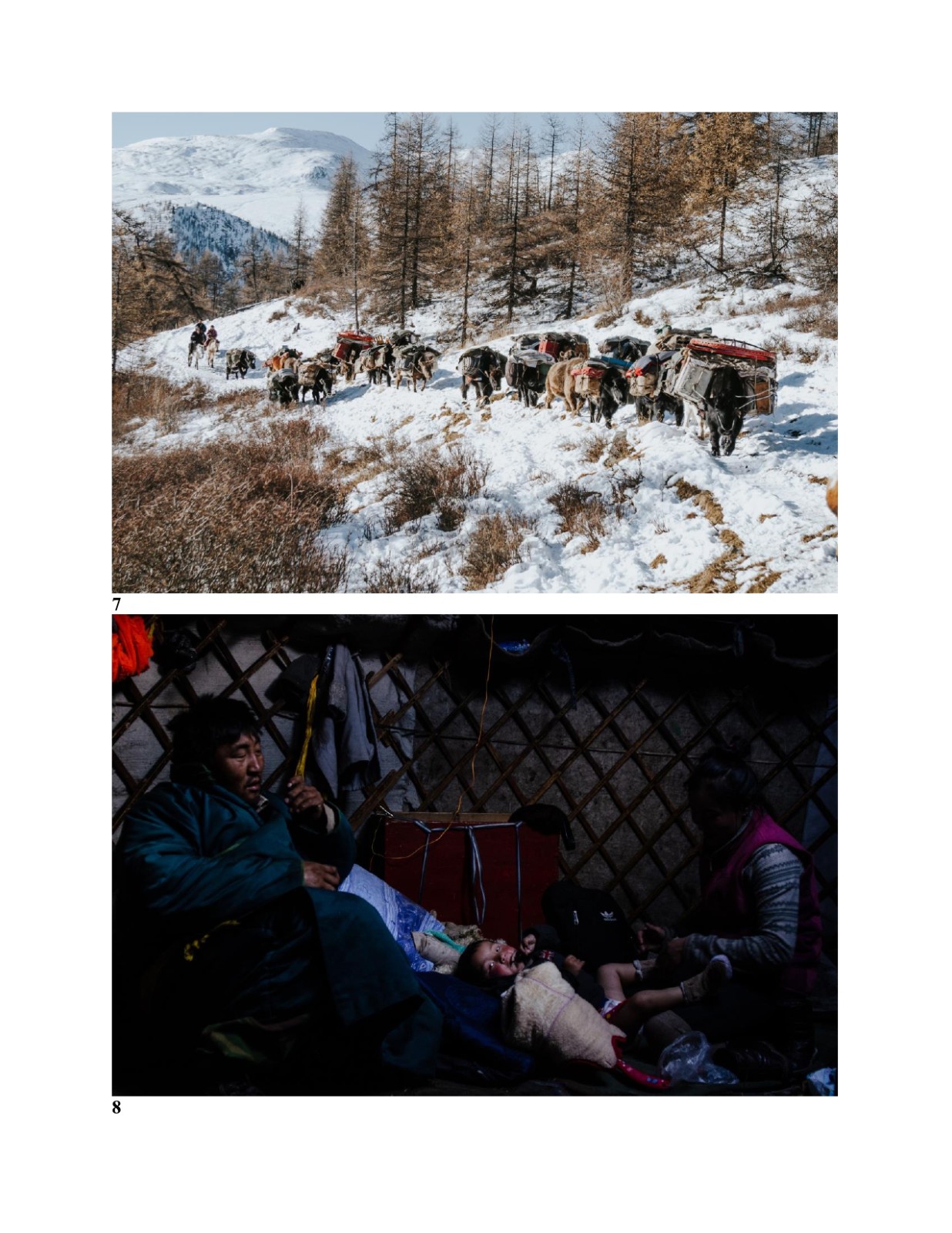
Due to the lack of access to winter grass for grazing and the minus 50 degrees in winter,local people have to migrate to find suitable winter grazing land. However, due to the high mountains and swamps in the local mountains, it is not possible for herders to use vehicles to move to a new location, so the Khainag (male bull yak-cattle hybrid) carry their homes and belongings to traverse to mountains and forest, like in the olden times. The herders train and tame their khainag and use them for such transportation, and even entrust their children in cradles to be carried through the hills and valleys, and which the animal has done for many years counting. In late October and early November, the locals trudge through the river basins and frozen muddy swamps. Families with very few animals migrate for 3-5 days, and families with large animals migrate for 7-10 days, along the Khoroo river, which flows along the Russian and Mongolian border on the slopes of the Burenkhaan mountain.
According to the spring census of 2020, a total of 632 people from 182 households and 34,624 livestock have migrated through this area. During the month of April, when the snow melts and the rivers and swamps thaw, they move back to the Shishged river basin,and if they stay too long in winter grazing land, the land will deteriorate as it is not meant to sustain heavy load livestock and that is why herders return during the cold months to preserve natural ecosystem of the area. As winter approaches, the snow melts at the feet of the animals, and grass and vegetables grow, and the animals gain enough fat to survive the next autumn and winter. In the meantime, The Khoroo river basin which hasn’t been stepped on animals for 6-8 months will have enough fodder for the animals for 4-6 months during wintertime.
垂死文化的残余
Batjargal Zayajargal
随着科技的进步,游牧文化,蒙古最珍贵的遗产,已经成为21世纪的稀罕物。社会的大多数人开始说 “蒙古人是游牧民族”或使用“是”来描述蒙古游牧文化 暗示着蒙古人的传统生活方式正在被留在过去。直接标志 文化灭绝。然而,其中一个“黑哈德”区的居民 仍在穿越数百年前的蒙古大草原,这是一个真正的遗迹,现在已经不复存在 常见于蒙古。 在蒙古北部,任奇尔库姆的施什格得河流域 Khuvsgul省的soum(subprovince)是适合春天放牧的地方,夏天和秋天,但是在冬天,盆地在冬天会有50-60厘米厚的雪。 由于没有冬季牧草可供放牧,而且冬季气温为零下50度, 当地人不得不迁移去寻找合适的冬季牧场。然而,由于高 山区和沼泽在当地山区,牧民不可能使用车辆 为了搬到一个新的地方,卡伊纳格牛(雄性牦牛-牛的混血儿)带着它们的家 和财产穿越山脉和森林,就像在古代。牧民 训练和驯服他们的卡伊纳并把他们用于这种运输,甚至委托他们的 摇篮里的孩子被带着穿过山丘和山谷,而动物有 数了很多年。10月底和11月初,当地人跋涉前行 穿过河流盆地和冰冻泥泞的沼泽。动物很少的家庭 迁徙3-5天,大型动物的家庭迁徙7-10天 胡罗河,它沿着俄罗斯和蒙古边境的山坡流淌 布伦汉山。 根据2020年春季人口普查,共有来自182个家庭的632人 34,624头牲畜通过这一地区迁徙。在四月,当 雪融化了,河流和沼泽解冻了,它们又回到了施施吉德河流域, 如果它们在冬季牧场呆得太久,土地将会恶化,因为这是不应该的 这就是为什么牧民在寒冷的月份会返回到保护该地区的自然生态系统。随着冬天的临近,脚下的雪融化了,动物、草和蔬菜生长,动物获得足够的脂肪来生存下一个秋冬。与此同时,胡罗河流域踩了6-8个月的动物会有足够的饲料喂养动物冬天期间4-6个月。
本网站及其公众号为公益性网络平台,所发图文仅供传播信息、介绍知识、说明问题之用;相关版权归原作者所有,转载请务必注明出处和作者。
稿件一经选用,即视为作者同意本网免费将其使用于本网或与本网有合作关系的非赢利性各类出版物、互联网与手机端媒体及专业学术文库等。
由稿件引起的著作权问题及其法律责任由作者自行承担。
了解更多动态,请扫描二维码,关注我们的微信公众号: